
Lockheed, Raytheon throw hats in ring for Army’s new autonomous launcher
Both companies told Breaking Defense that they have responded to the service's recent “request for solutions brief” but remain tightlipped on the path forward.
Both companies told Breaking Defense that they have responded to the service's recent “request for solutions brief” but remain tightlipped on the path forward.
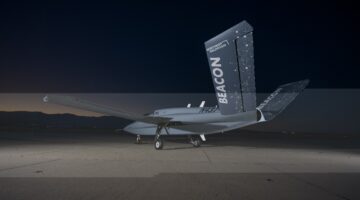
The six companies will partner with Northrop to develop and scale autonomous flight capabilities during flight demos later this year.
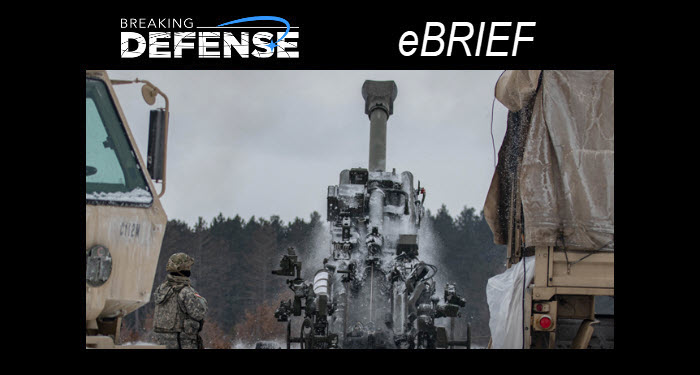
Michigan’s defense ecosystem and expertise makes it a special asset for production.

“The beauty of that is they can mass produce it but also give specifications about the [launched effects] going inside,” one DEVCOM official said.

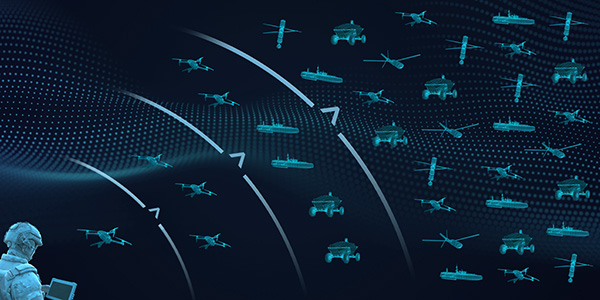
L3Harris is the Trusted Disruptor when it comes to developing a future-proof solution designed to adapt to the challenges of tomorrow.


The Iron Drone system offers unblinking, human-independent counter-UAS security, 24/7.

If the service's previous RCV plans hold true, the company will begin finalizing designs ahead of additional prototype deliveries next year.


Consolidate network monitoring, performance management, and fault isolation into a single, comprehensive solution.

DIU and the service want to make a final downselect by mid-2026 but ongoing budget uncertainty could derail that plan, says Maj Gen Michelle Donahue.
At least two companies are showing off their unmanned launchers for the service, while a one-star general says he is closely following the USMC’s ROGUE Fires program.

The service is funneling nearly $30 million into the program to add in Forterra’s AutoDrive system into the JLTV-based launcher.

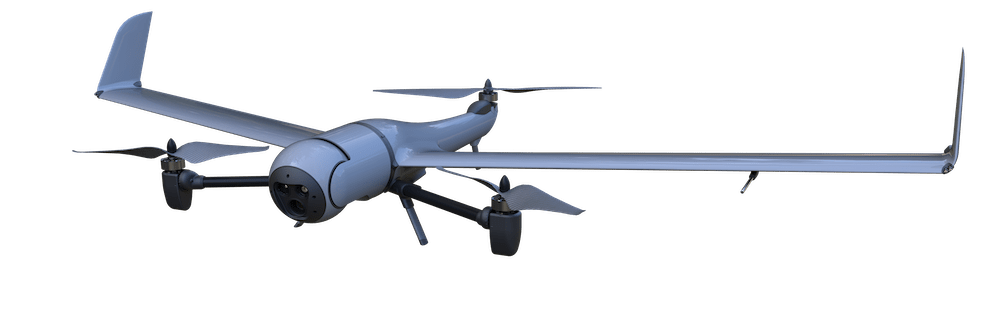
The American-made Teal 2 quadcopter and Edge 130 Blue, a VTOL fixed-wing system, are both on the Defense Innovation Unit’s Blue List for acquisition by U.S. forces.


Sending robotic vehicles into the breach saves lives by removing humans from one of the most dangerous places on the battlefield.

Contested logistics means resupplying Soldiers and Marines at the edge, and doing so with autonomy that doesn’t risk lives.

"Our Ukrainian partners, because of necessity, are pushing the boundaries on how they do [3D printing] — both at the tactical level and all the way back at their depot system as well. The world has a lot to learn from how our Ukrainian partners are working," Lt. Gen. Christopher Mohan told Breaking Defense.


Robotic missile batteries maneuver and fire faster than crewed systems, keeping operators at standoff distances.